
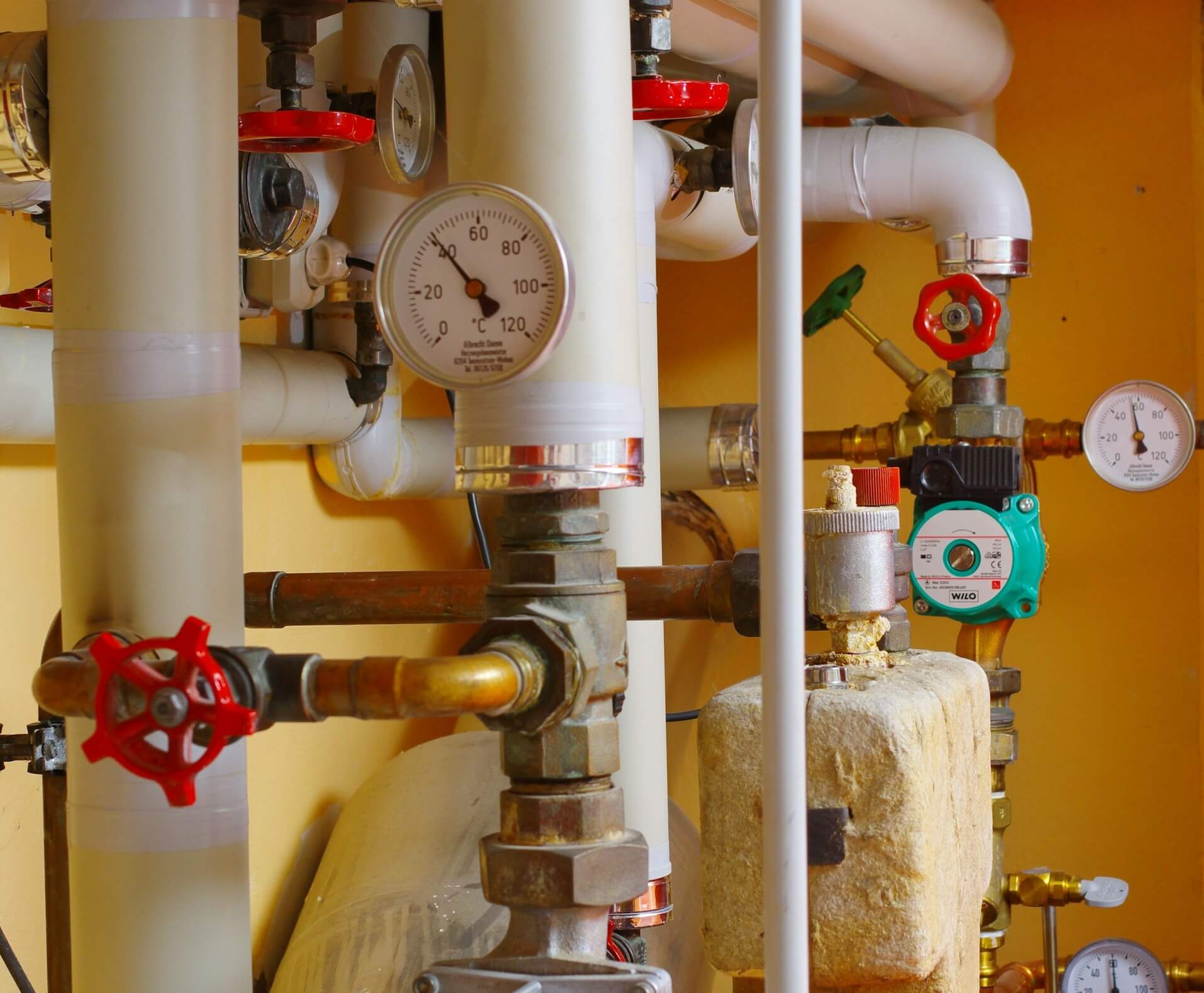
This guide is for heating engineers, installers and homeowners planning a new boiler, an electric boiler or a heat pump installation.
 You are here:
This guide is for heating engineers, installers and homeowners planning a new boiler, an electric boiler or a heat pump installation.

Limescale is one of the biggest hidden threats to your boiler and heating system, particularly in hard water areas. This chalky calcium carbonate deposit builds up inside the heat exchanger, reducing efficiency, raising energy bills, and eventually leading to noisy operation, breakdowns, or costly repairs. Just a thin layer of limescale can cut efficiency by over 10%, forcing your boiler to work harder. Common signs include kettling sounds, cold spots on radiators, and reduced hot water flow. Prevention is far cheaper than repair: installing a limescale inhibitor, magnetic scale reducer, or water softener protects your system from the outset, while a professional power flush can restore older systems. By tackling limescale early, you safeguard your boiler’s performance, extend its lifespan, keep your energy bills low, and ensure reliable heating and hot water.

Though the design, installation, and maintenance of heating systems are considered somewhat trivial, this couldn't be further from the truth. Analyses show that, even today, most British properties feature highly inefficient and ineffective heating systems that result in irregularities, high energy consumption, and a myriad of safety issues.

Wondering if an ionizer is essential for your boiler system? This article explores how ionizers can enhance your heating system's performance by improving water quality and efficiency. Learn how ionizers prevent limescale, reduce pollutants, and extend the life of your boiler while lowering energy costs. Discover the differences between air and water ionizers, and find out why they might be the right investment for both residential and commercial properties.

Ensuring your central heating is operating at maximum capacity is paramount in any property. Not only does it ensure comfort, warm water, and consistent temperatures throughout the building, but it also influences energy bills and maintenance costs.