
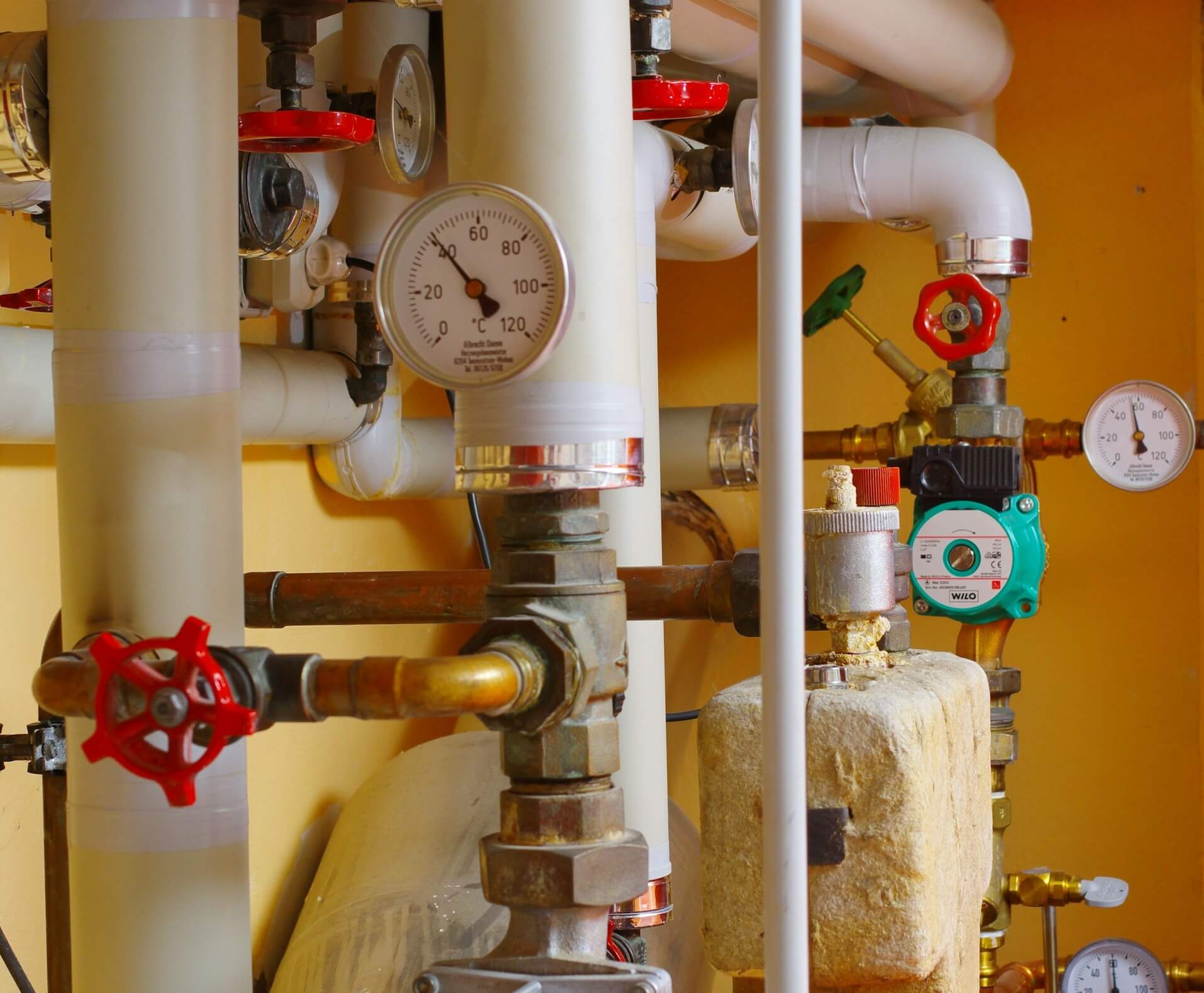
This guide is for heating engineers, installers and homeowners planning a new boiler, an electric boiler or a heat pump installation.
 You are here:
This guide is for heating engineers, installers and homeowners planning a new boiler, an electric boiler or a heat pump installation.

If you are wondering, "why is my boiler whistling," you are likely dealing with specific mechanical hurdles within your heating system. A whistling boiler often signals underlying issues disrupting the water flow or causing internal friction. While some boiler noises are normal during startup, a persistent high pitched whistling noise usually suggests restrictions or overheating.
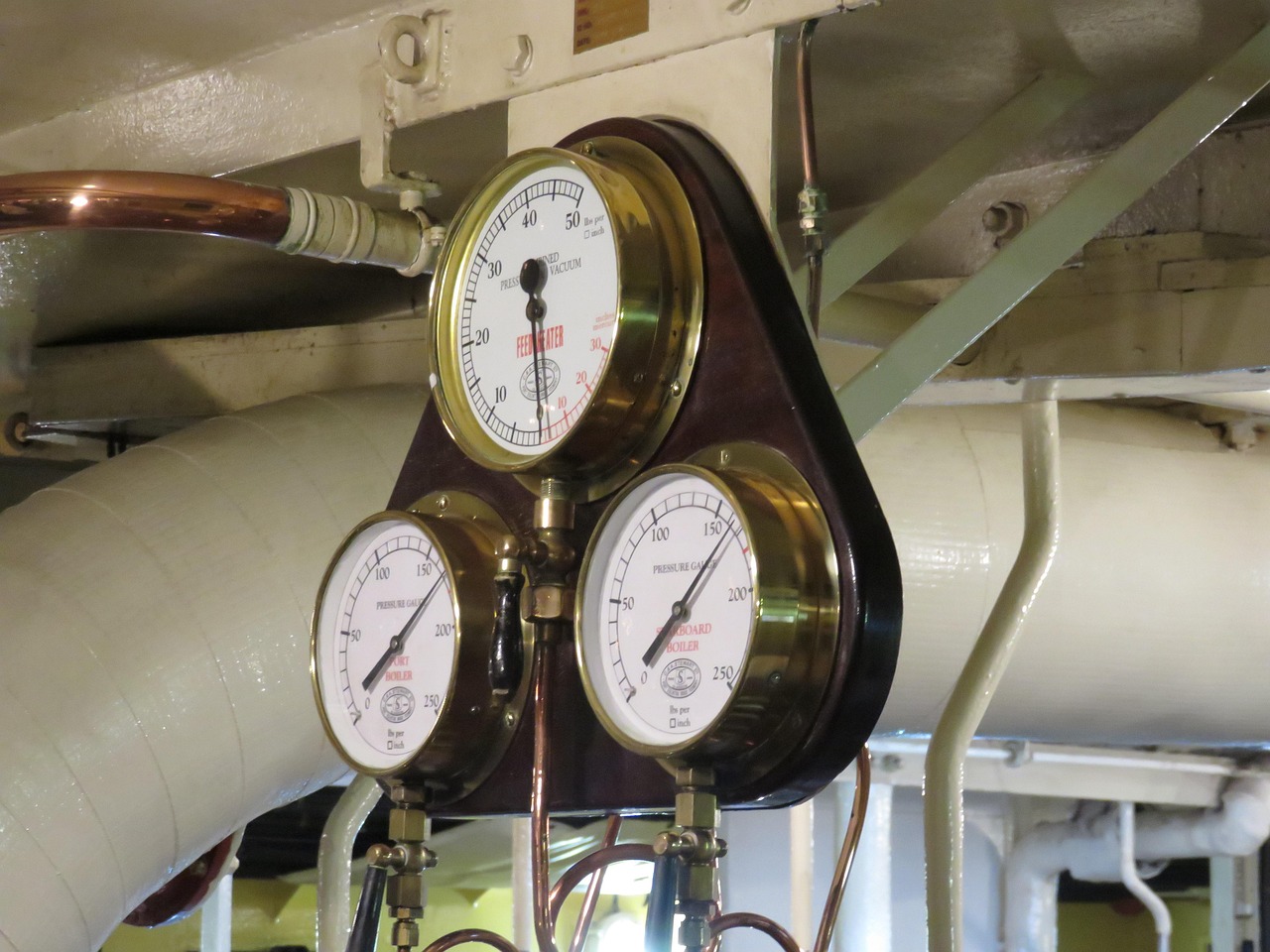
To set the timer on a boiler, locate the clock face or digital display, set the correct time using the dial arrow or control panel buttons, then push the pins or program the on/off periods you want the boiler to activate. For a mechanical boiler timer this takes around 5 minutes; a digital boiler timer may need 10–15 minutes for full scheduling. Read on for a step by step guide to both types, plus troubleshooting tips for common timer faults.
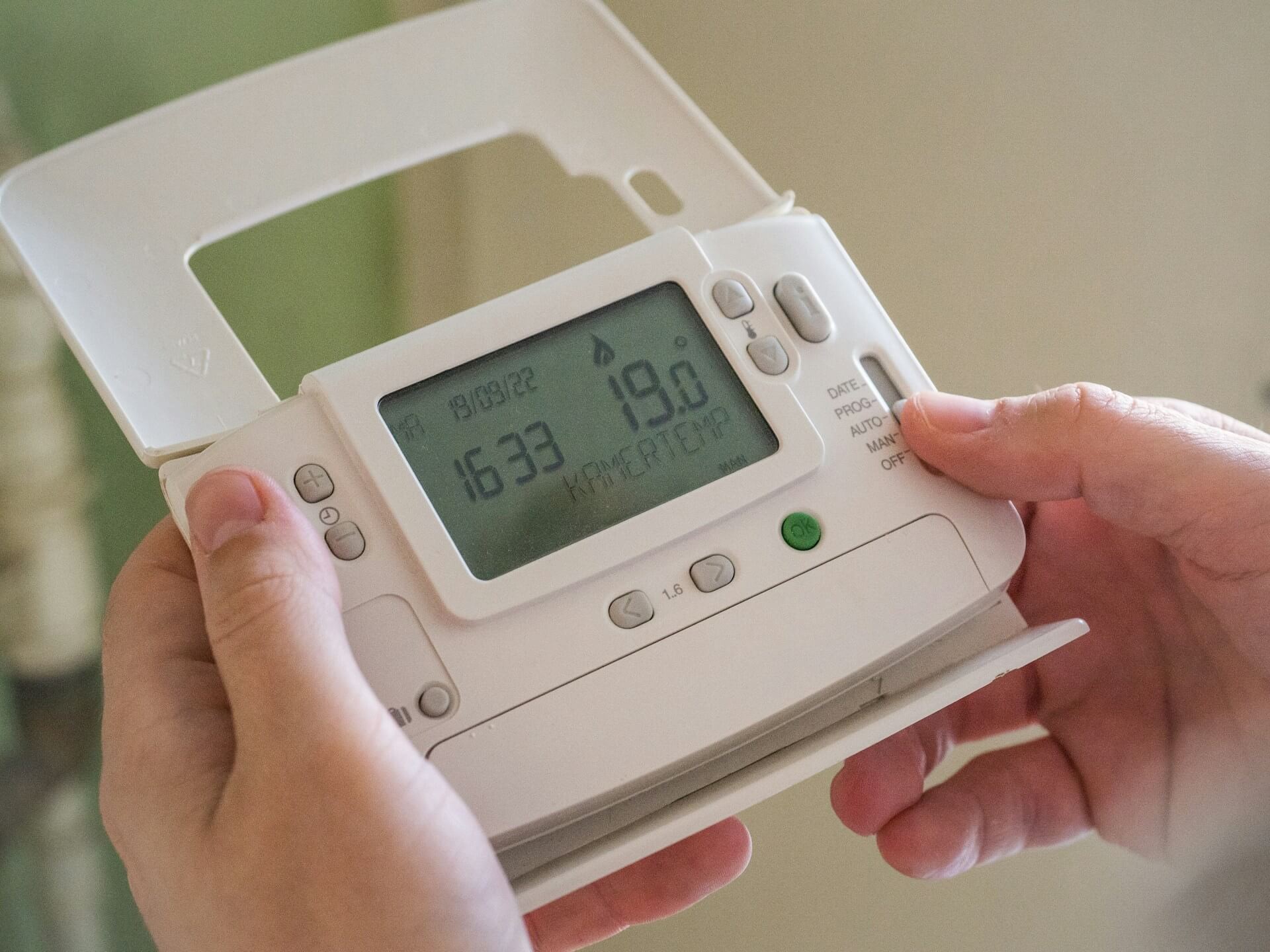
To connect a wireless thermostat to your boiler, mount a receiver unit at the boiler terminals (T, COM, NO, or OpenTherm), position the transmitter approximately 1.5 metres above floor level on an interior wall away from direct sunlight, then pair both devices using the sync button. The full installation process takes 30–60 minutes for most homeowners.
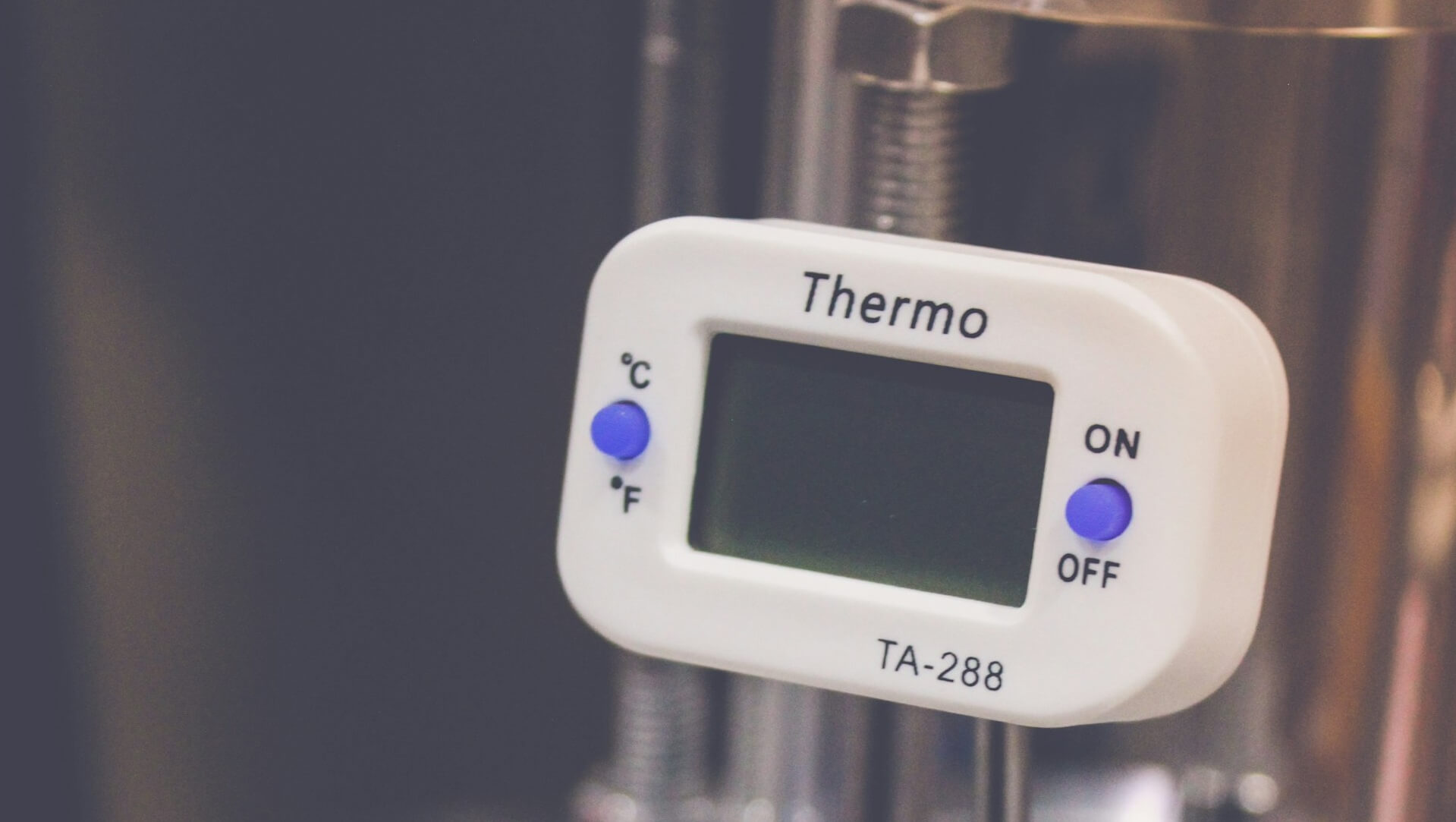
To reset a boiler, locate the reset button on the front panel, press and hold it for 5 to 10 seconds, then wait for the startup cycle to complete — usually 2–3 minutes. If the boiler does not restart after three attempts, stop and call a Gas Safe engineer. Read on for a full step by step guide covering reset procedures, error causes, and when professional help is required.

Choosing the right water heater is a crucial decision for any homeowner. Both instant and storage tank water heaters offer distinct advantages, catering to different needs and preferences. This article will delve into the intricacies of both types, examining their functionality, benefits, and drawbacks to help you make an informed choice.

As the winter months approach, a properly functioning central heating system is crucial for maintaining a comfortable home. However, over time, the efficiency of your central heating system can decline, leading to higher energy bills and a less warm home. Recognizing the signs of a central heating system losing efficiency is the first step toward addressing the problem and ensuring optimal performance.

The way we heat our homes is changing, with many homeowners now considering the switch from gas to electric heating. Traditional gas boilers, though familiar, contribute heavily to carbon emissions, while electric systems produce no on-site emissions and can be entirely renewable when paired with green energy. Beyond sustainability, electric boilers offer near-100% efficiency, simpler installation, lower maintenance, and enhanced safety by eliminating risks of gas leaks and carbon monoxide. However, electricity costs per kWh remain higher than gas, meaning running costs can rise without good insulation and smart controls. For some properties, upgrades to the electrical system may also be necessary. Still, the benefits—quiet operation, flexible placement, and longer lifespan—make electric heating an attractive option. Whether through an electric combi boiler, radiators, or even a heat pump, switching from gas to electric can future-proof your home for upcoming regulations and ensure a safer, greener, and more efficient heating solution.

Limescale is one of the biggest hidden threats to your boiler and heating system, particularly in hard water areas. This chalky calcium carbonate deposit builds up inside the heat exchanger, reducing efficiency, raising energy bills, and eventually leading to noisy operation, breakdowns, or costly repairs. Just a thin layer of limescale can cut efficiency by over 10%, forcing your boiler to work harder. Common signs include kettling sounds, cold spots on radiators, and reduced hot water flow. Prevention is far cheaper than repair: installing a limescale inhibitor, magnetic scale reducer, or water softener protects your system from the outset, while a professional power flush can restore older systems. By tackling limescale early, you safeguard your boiler’s performance, extend its lifespan, keep your energy bills low, and ensure reliable heating and hot water.

Underfloor heating systems are one of the most efficient and reliable ways to provide heating throughout your property. They are more affordable, more efficient, and more environmentally friendly than the alternatives. And through individual heating zones and a modern underfloor heating control pack, they can be tuned to provide maximum comfort to your property.

In this article, we'll teach you everything you need to know about boiler repressurisation, give you a step-by-step guide on refilling a central heating system with a combi boiler, and offer tips to help you maintain your system going forward.

This article will act as your guide to handling your boiler when it lacks access to hot water - from causes to tips and more: it contains everything you need to know.

Do you have access to hot water but no heating on your property? Your boiler appears to be in working order but you can't figure out why no heat is transferring to the radiators? You've checked everything but you can't figure out what's wrong?

Though the design, installation, and maintenance of heating systems are considered somewhat trivial, this couldn't be further from the truth. Analyses show that, even today, most British properties feature highly inefficient and ineffective heating systems that result in irregularities, high energy consumption, and a myriad of safety issues.

Wondering if an ionizer is essential for your boiler system? This article explores how ionizers can enhance your heating system's performance by improving water quality and efficiency. Learn how ionizers prevent limescale, reduce pollutants, and extend the life of your boiler while lowering energy costs. Discover the differences between air and water ionizers, and find out why they might be the right investment for both residential and commercial properties.

Installing an air source heat pump can be a complex process that requires careful planning and professional expertise...

As winter approaches, homeowners begin to think about the efficiency and reliability of their heating systems...

As energy costs continue to rise and environmental concerns grow, many homeowners are considering alternative heating solutions to save money...

Building a new property? Renovating an old one? Looking to upgrade the heating system in your home to ensure constant access to quality heating and hot water while minimising maintenance and electricity costs?

Ensuring your central heating is operating at maximum capacity is paramount in any property. Not only does it ensure comfort, warm water, and consistent temperatures throughout the building, but it also influences energy bills and maintenance costs.